

MF Family Home Care provides medication reminders for seniors on Cape Cod. We prompt your parent to take the right pills at the right time, watch that it happens and tell the family when something is off.
Medication reminders for seniors mean a person in the room at pill time. We prompt, watch the tablets go down and note it. A phone alarm can do the first part, but not the other two.
A reminder visit is non-medical. Your parent takes their own medication; we make sure it is not forgotten.

A prompt at the times printed on the label or set by the doctor.

We stay until the pills are taken, with water and with food if required.
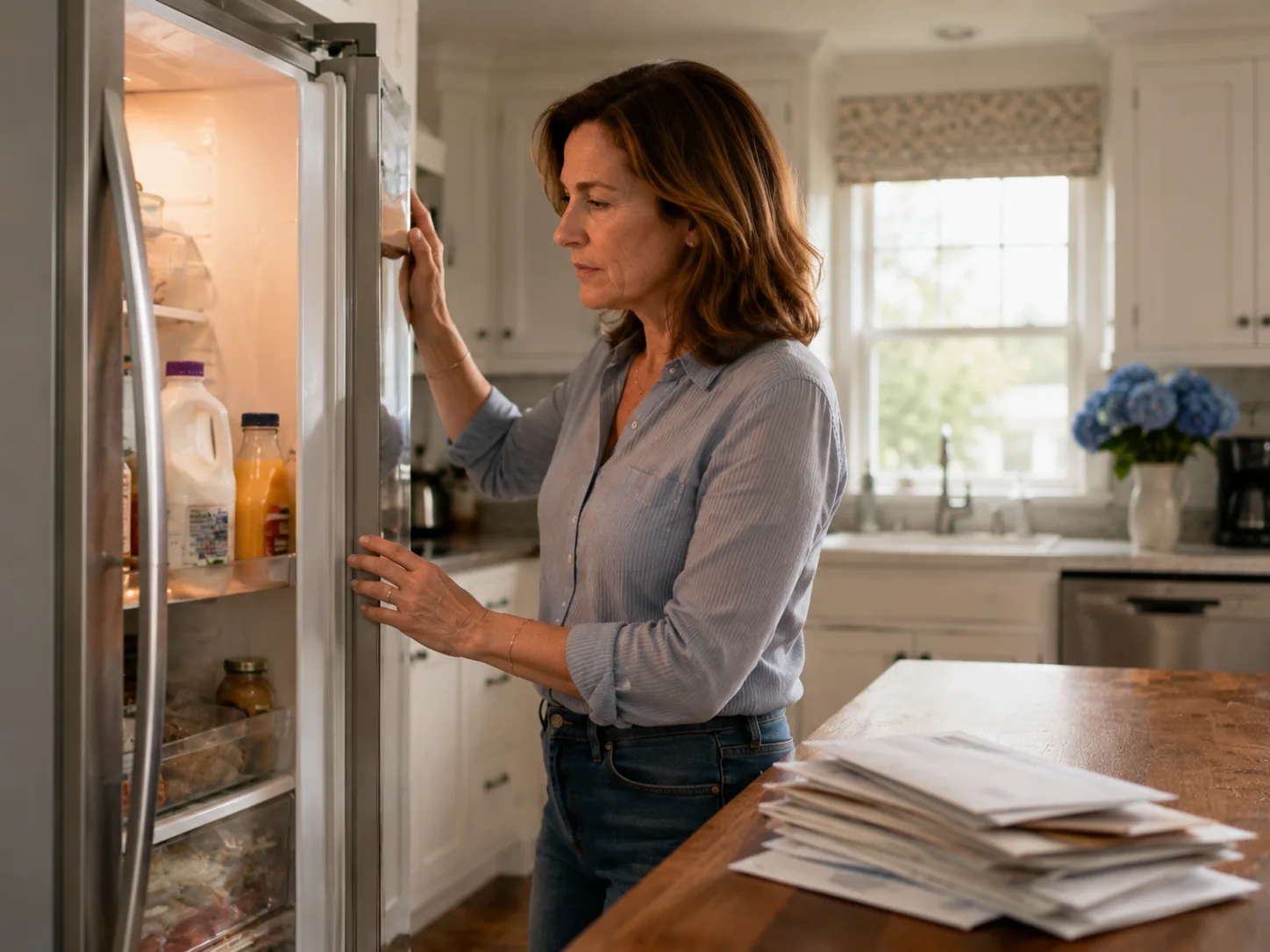
A look at the weekly pill box to see whether earlier doses were missed.

We note when a bottle is running low so it is reordered in time.

Collecting prescriptions that are ready.
We let you know about missed doses, refused pills or anything that looks like a side effect.

We start from the current medication list and the times each one is due.

Visits are timed to the doses that are most often missed.

Most reminder visits include breakfast or supper, since many medications are taken with food.

We can note what was taken and when, which is useful at the next appointment.

In Massachusetts, giving medication is a nursing task. A non-medical caregiver can remind, open a container, hand over a pre-filled organizer, bring water and observe. A caregiver cannot decide doses, fill the organizer from the bottles, give injections or change anything the doctor ordered.
The weekly organizer therefore has to be filled by a family member, a visiting nurse or the pharmacy. Many pharmacies will pack medications by day and time of day, and for someone on many prescriptions it is the simplest fix.
A medication reminder service is not medication management. We do not decide doses or set up the prescription. That stays with the pharmacist, the nurse or the family, and we follow the list they give us.
Families usually call after finding pills left in the organizer, or doubled doses, or after a hospital stay caused by a medication mix-up. Mild memory loss, poor eyesight and a list that has grown to eight or ten prescriptions each make mistakes more likely.
The weeks after a hospital discharge deserve particular care, because medications are often changed and the old bottles are still in the cabinet. See our hospital to home care page for that period.
A phone call or an alarm on a dispenser works for a person who only needs a nudge. It does not show whether the pills were actually swallowed, and it fails when memory loss makes the alarm confusing.
A visit confirms the dose was taken, checks the previous days and covers a meal at the same time. For someone with dementia a person in the room is usually the only method that works; see dementia care.
Reminders are billed by the hour as part of a home care visit. Since a prompt takes a few minutes, they are normally combined with a meal, personal care or housekeeping, not booked alone. Medicare does not cover non-medical visits. We accept long-term care insurance.
Visits are arranged from West Yarmouth. Choose your town below.
Marlene is very caring, trustworthy, and attentive. She takes excellent care of my father, and I highly recommend MF Family Home Care.
I highly recommend her caregiving services. She is kind, compassionate, reliable, and truly cares about the well-being of her clients. She is patient, attentive, and always goes above and beyond to make sure people feel safe, comfortable, and respected.
Marlene is an excellent and responsible caregiver for my sister. She is thoughtful and kind. I would recommend her highly to anyone who has a wheelchair bound relative who simultaneously has Alzheimer’s disease.
Call any time. Have the list of medications and times at hand and we will suggest when visits should fall.
What we are asked most about pills and visits.
We can remind her, open the container, hand her the organizer and a glass of water, and watch her take them. Administering medication is a nursing task and is not part of non-medical home care.
No. It has to be filled by a family member, a nurse or the pharmacy. Ask the pharmacy about pre-sorted packaging by day and time.
We can pick up prescriptions that are ready and let you know when a refill is due. The refill request itself comes from your parent or the family.
We do not force or hide medication. We try again a little later, note what happened and tell you, so you can speak with his doctor.
We work from the discharge list. If it does not match the bottles in the house, we ask you to confirm with the doctor or pharmacist before the next dose is due.
The reminder itself is brief. In practice it is part of a visit of an hour or more that also covers a meal or personal care.
Last updated