

CNA Certified · MA DPH #CNA54796 · Insured

Companion Care on Cape Cod, Because Being Alone Is Its Own Illness

MF Family Home Care provides companion care on Cape Cod for older adults who are managing physically but spending far too much time alone. It is the service families most often dismiss and most often regret dismissing.

What does a companion caregiver actually do?

A person who is eating, moving, talking and leaving the house declines far more slowly than one who is not. Twelve hours a week of company at seventy-eight is cheaper, in every sense, than round-the-clock care at eighty-one.

Conversation

Real conversation, not supervision. Someone who asks about the photographs on the wall and listens to the answer.

Errands and appointments

The grocery store, the pharmacy, the doctor, the hairdresser — with company on the drive rather than a taxi.

Getting out of the house

A walk, a coffee, a trip to the beach in the off-season when it is empty and beautiful.
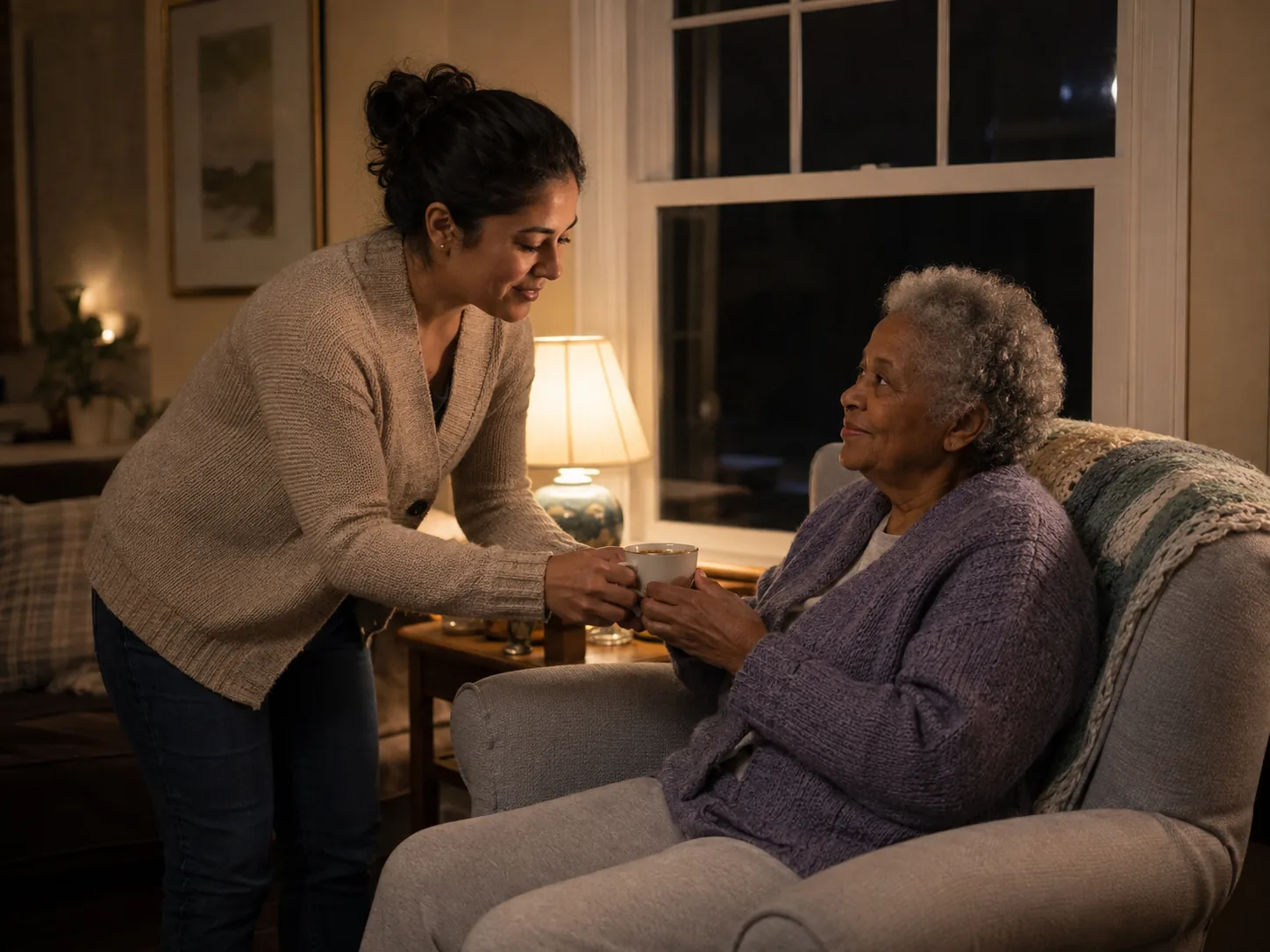
Meals with someone

Eating alone is one of the most reliable reasons older adults stop eating properly.

Games, cards, reading, music

Whatever the person actually enjoys rather than whatever an activity list suggests.

Eyes in the house

A companion notices the bruise, the unopened mail, the confusion that was not there last month — and tells the family.

How to start

One call, a free visit at home, and a written plan you can change. Most families begin smaller than they expect.

One call

Tell us what is happening and what a normal day looks like now compared with six months ago.

A visit at no cost

We come to the house and look at the practical things — the stairs, the bathroom, the kitchen, the hours when nobody is around.

A plan you can change

Most families begin smaller than they expect and adjust within the first month. No long-term contract is required to begin.


Frequently asked questions

The questions families ask us most, answered plainly.

Is companion care just paying someone to sit there?

No. A good companion keeps a person eating, moving, leaving the house and talking — and reports back what the family cannot see from a distance.

Yes, and it is one of the most common requests we get.

Frequently four to eight a week, in two visits. Many increase it once they see the difference.

This is the easiest service to introduce, precisely because it does not require admitting to a decline. Start with a shared task or an errand.

Light housekeeping and meal preparation are usually part of it. Tell us what the household needs and we will be specific.

Usually within a few days. We answer the phone at night and on weekends, because these decisions are rarely made during business hours.