CNA Certified · MA DPH #CNA54796 · Insured

Dementia Care on Cape Cod, at Home, Where Everything Is Familiar

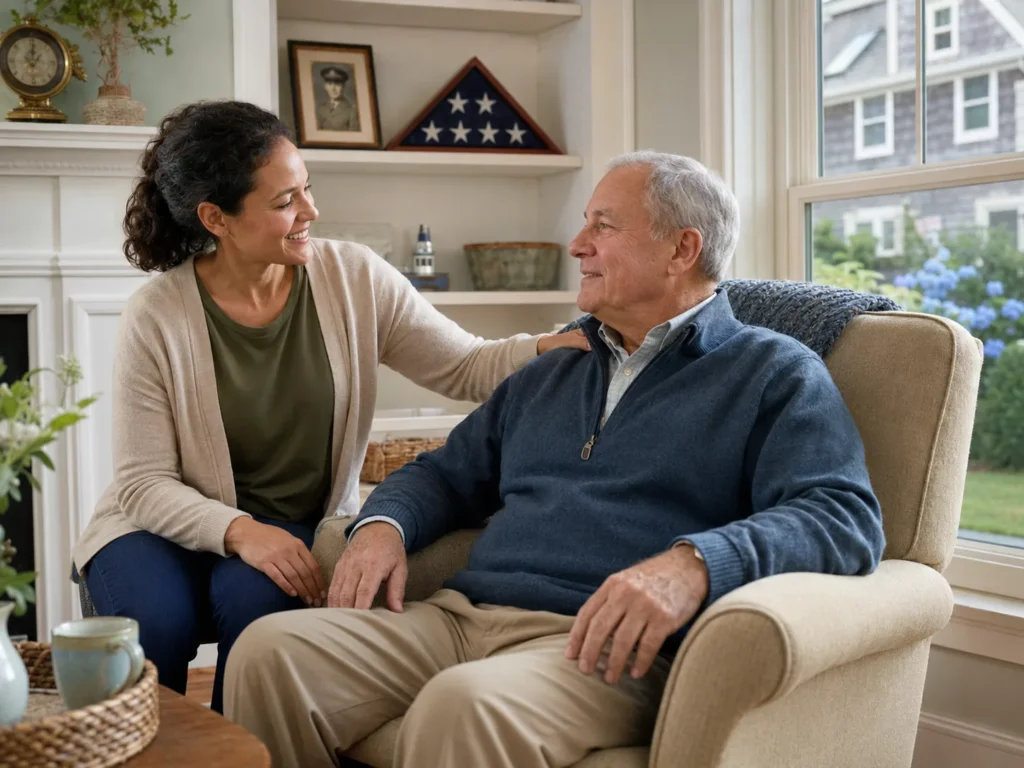
MF Family Home Care provides dementia care on Cape Cod in the person’s own house — the rooms they know, the chair they always sit in, the window that faces the street they recognize.

What dementia care looks like day to day

Your father may not remember what he ate an hour ago and still walk to his own bathroom in the dark without hesitating. That is not a contradiction — different kinds of memory fail at different rates. Move him to an unfamiliar building and you remove the one system still working reliably. Confusion increases, agitation increases, and falls increase, because the map in his head no longer matches the hallway.

The same person, at the same time

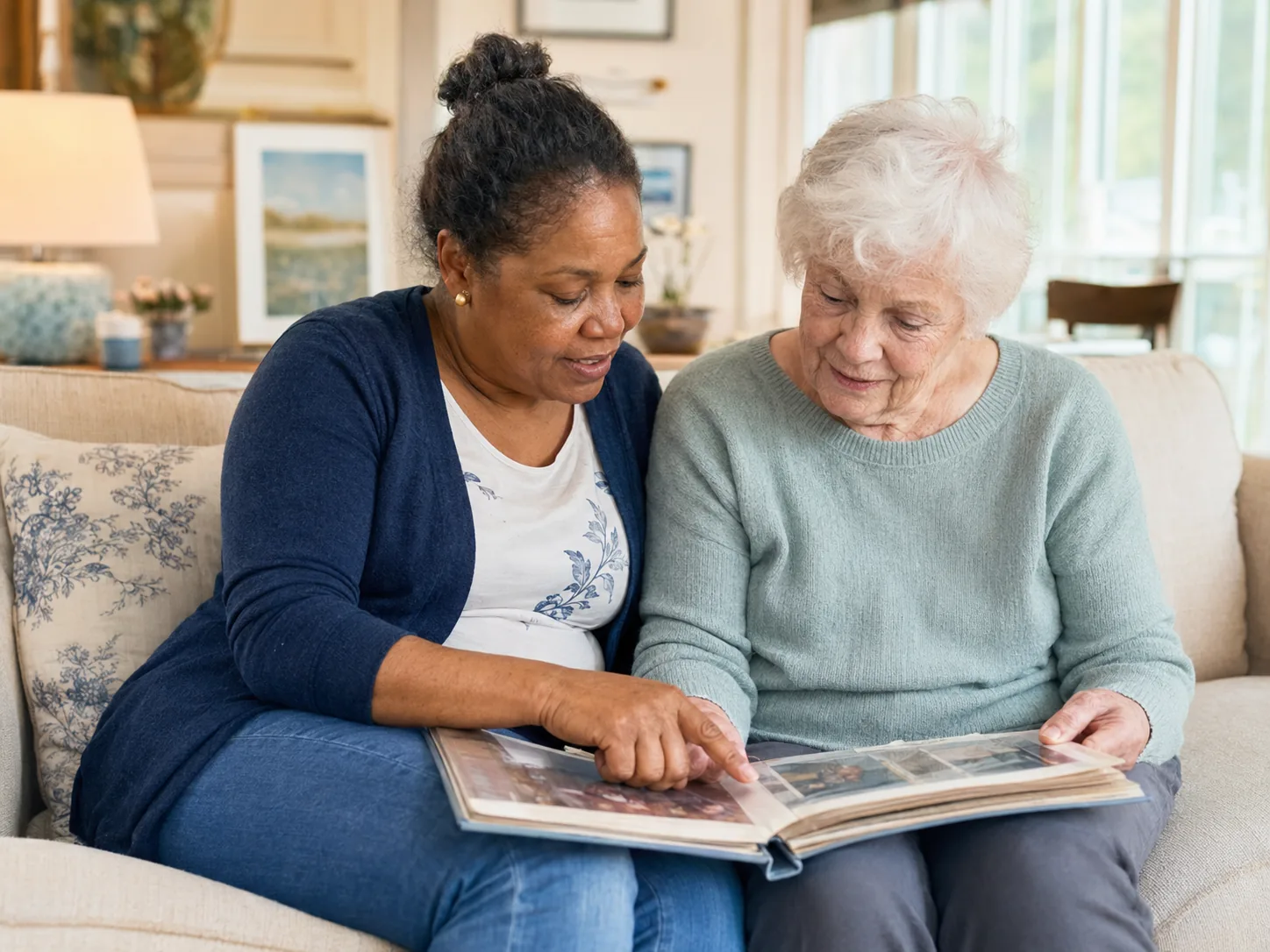
Consistency of caregiver matters more in dementia than in any other kind of care. A rotating cast of strangers turns every visit into a first meeting. We staff for continuity deliberately.

A routine that does not move

Breakfast at the same hour, the same chair, the same order to the morning. Structure carries a person when memory cannot.
Redirection instead of correction

If your mother says she needs to pick up the children from school, arguing with her produces distress and no learning. A caregiver trained in this responds to the feeling, not the fact, and moves gently on to something else.

Safety without a fight

The stove, the front door, the stairs, the car keys. There are ways to make a home safer that do not feel like a confiscation, and they work far better than confrontation.

Help with bathing and dressing

These become the flashpoints in dementia, often because the person feels exposed and does not understand why a stranger is in the bathroom. Handled patiently, with the same familiar caregiver, they stop being a battle.
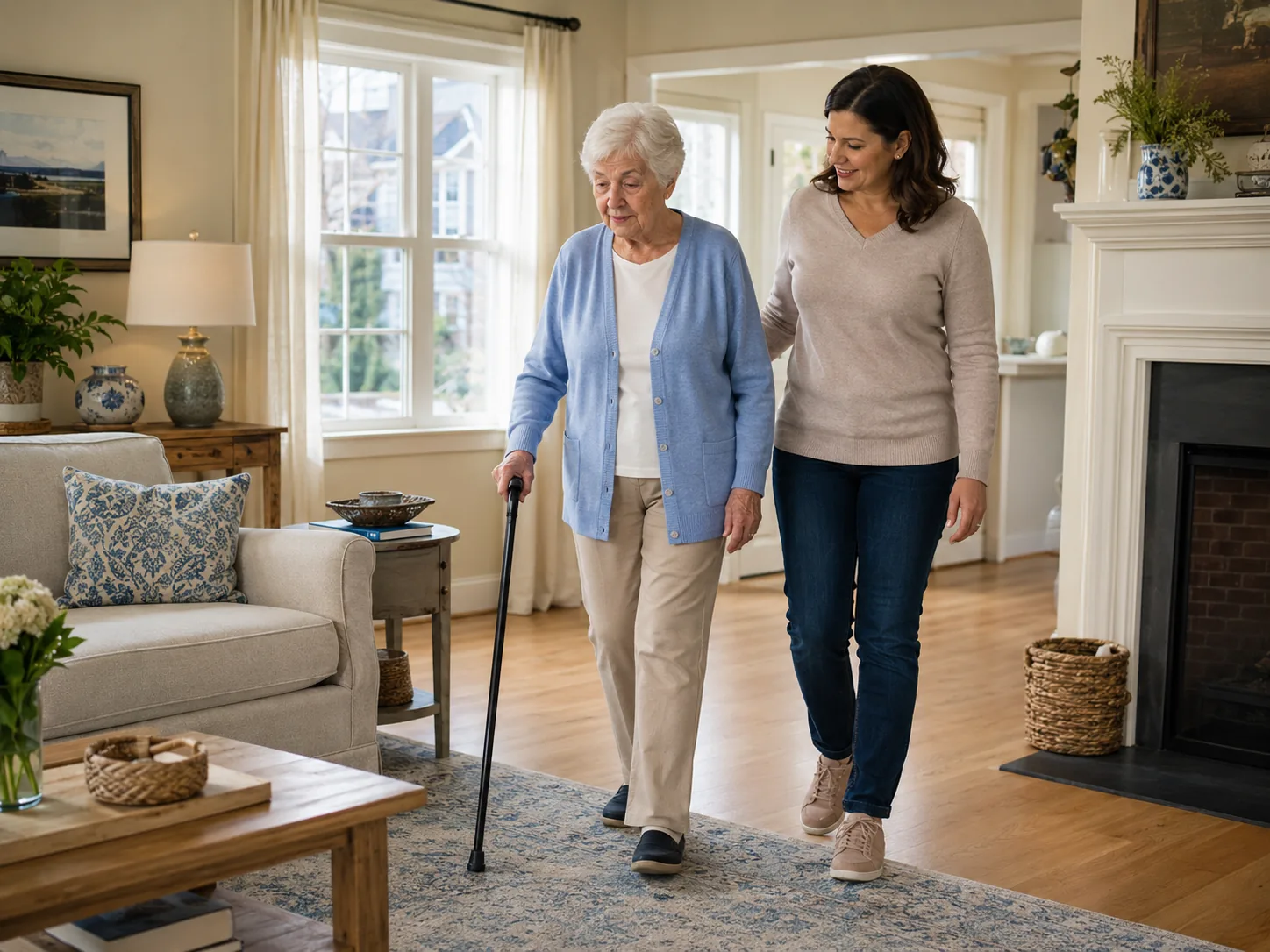
Meals and hydration

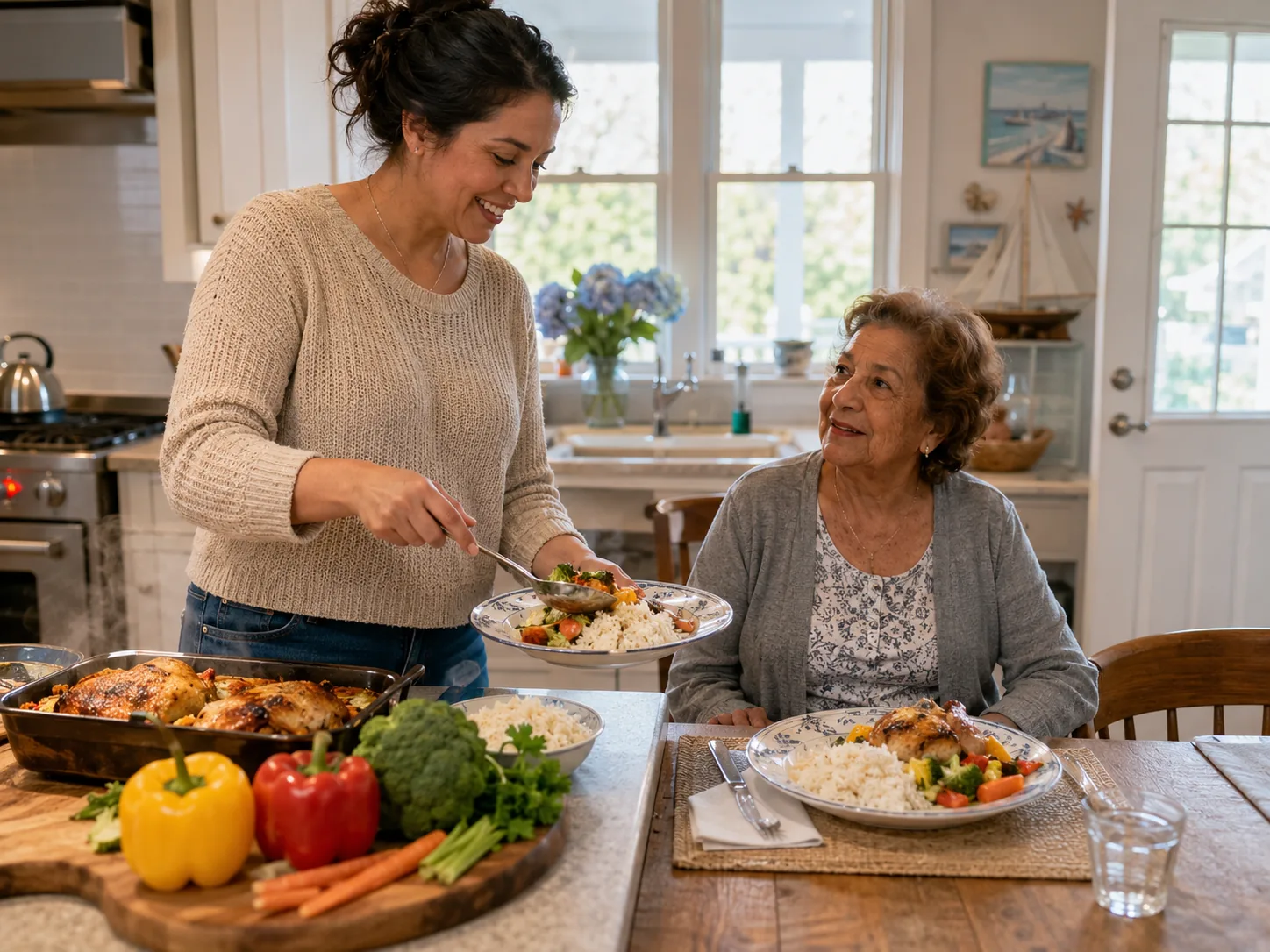
Appetite and thirst signals fade. Someone needs to notice.
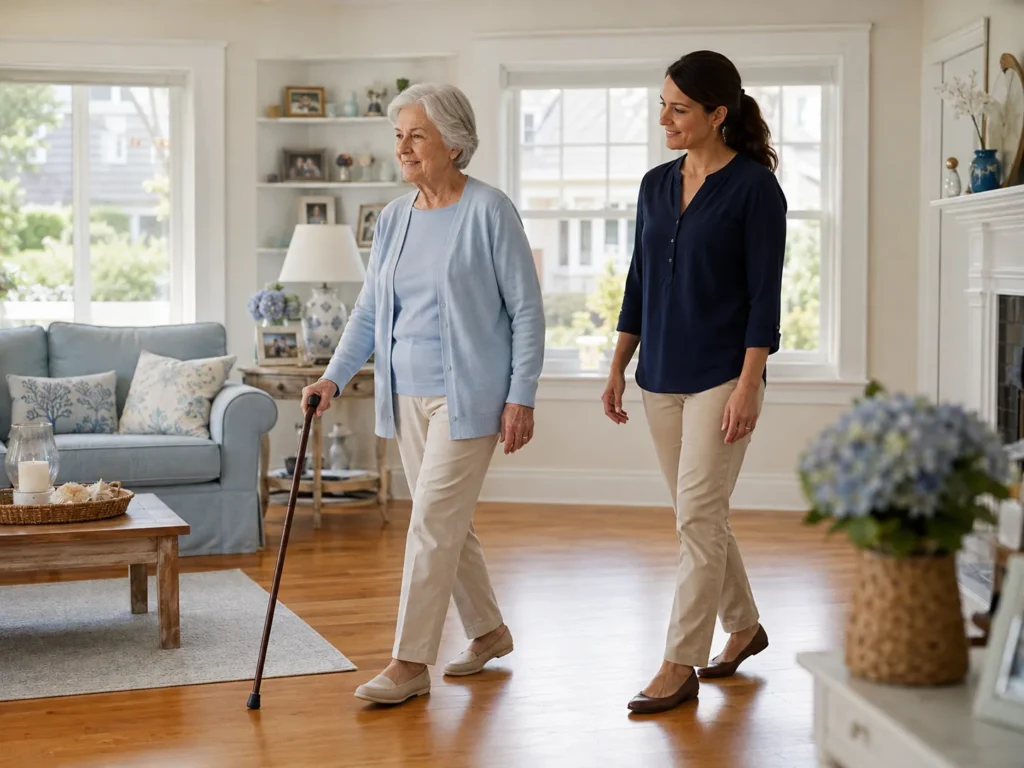
Frequently asked questions

The questions families ask us most, answered plainly.

How early should we bring someone in?

Earlier than most families do. A caregiver introduced while your parent can still form a relationship becomes a familiar person rather than a stranger appearing during a crisis. Waiting until it is unavoidable makes the introduction much harder.

Often, if it is done slowly. We start with short visits, the same caregiver every time, and a simple shared task. Acceptance comes from repetition, not from being persuaded.

We can supervise, structure the day to reduce the impulse, and work with the family on making exits safer. We are not a locked facility, and if your parent's wandering has become genuinely dangerous, we will tell you honestly that the situation may need more than in-home care.

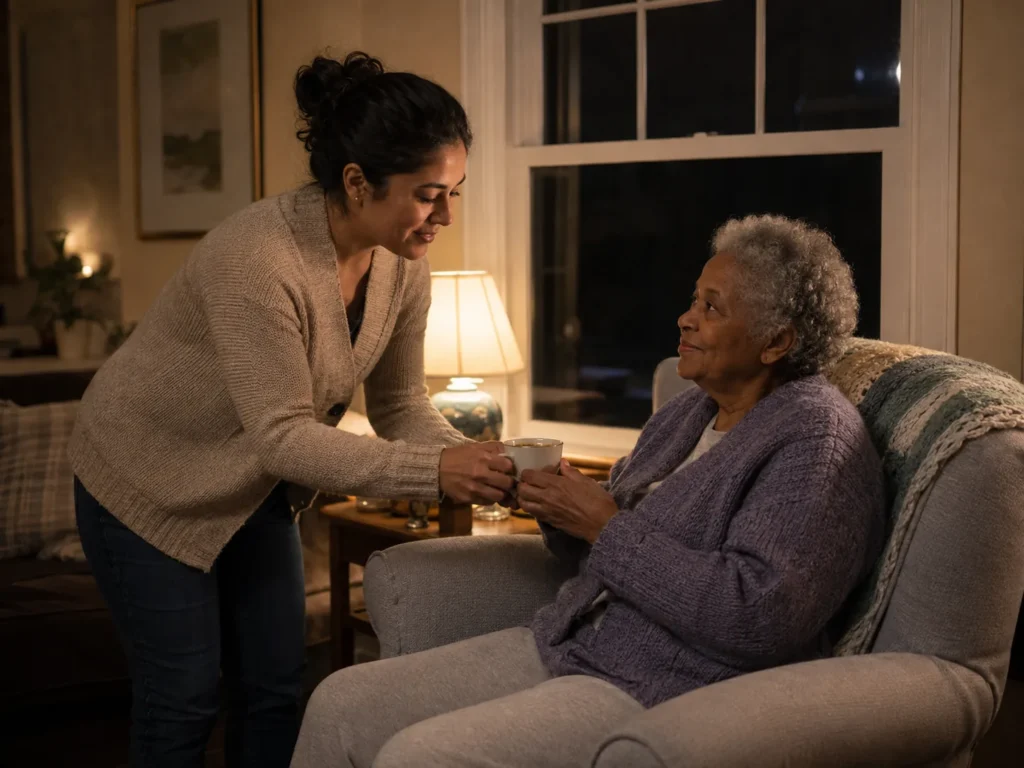
Overnight and live-in coverage is one of the most requested arrangements in dementia care, precisely because evenings and nights are the hardest stretch.

We provide non-medical care at every stage. As needs become medical, a licensed home health agency or hospice team may need to join. We will say so rather than stretch beyond what we do.

We accept long-term care insurance, which frequently covers this kind of care. Some veterans and surviving spouses also qualify for VA benefits toward it. We do not bill Medicare. Bring us the policy and we will go through it with you.